Welcome to Consultus Sustainability

Did you know, a report by the UK government found that Offices account for 15% of the total non-domestic electricity consumption in the UK?
With energy costs rising, and net zero targets on the horizon, more and more businesses are beginning to focus on how they can reduce their energy consumption.
Whether you’re a small independent business, or a large multinational enterprise, examining and reevaluating your energy usage is an effective way to cut both your costs and your carbon footprint. In this guide, we’ll take you through how to save energy at work with our top office energy saving tips.
Businesses and other commercial organisations are held to higher standards of sustainability than most domestic energy users.
According to the ONS, in 2020, businesses accounted for 18% of all greenhouse gas emissions in the UK. As a result, businesses are in a position where they can make a big impact through small changes to the way they manage their energy.
When it comes to saving energy in the workplace, there are lots of steps your business can take, from simple swaps to long-term strategies. Our office energy saving tips offer practical guidance to help your business reduce energy consumption and improve energy efficiency across your organisation.

Before you can start reducing your office energy use, it’s important that you understand exactly how your business uses energy. This will allow you to establish a strong starting point so you can create achievable goals that will have an impact.
Conducting an energy audit will allow you to measure your usage across all areas of your business. An assessor will work with you to create an audit strategy that best fits your needs, looking at all areas of significant energy consumption, which can then be used to create a step-by-step plan of action.
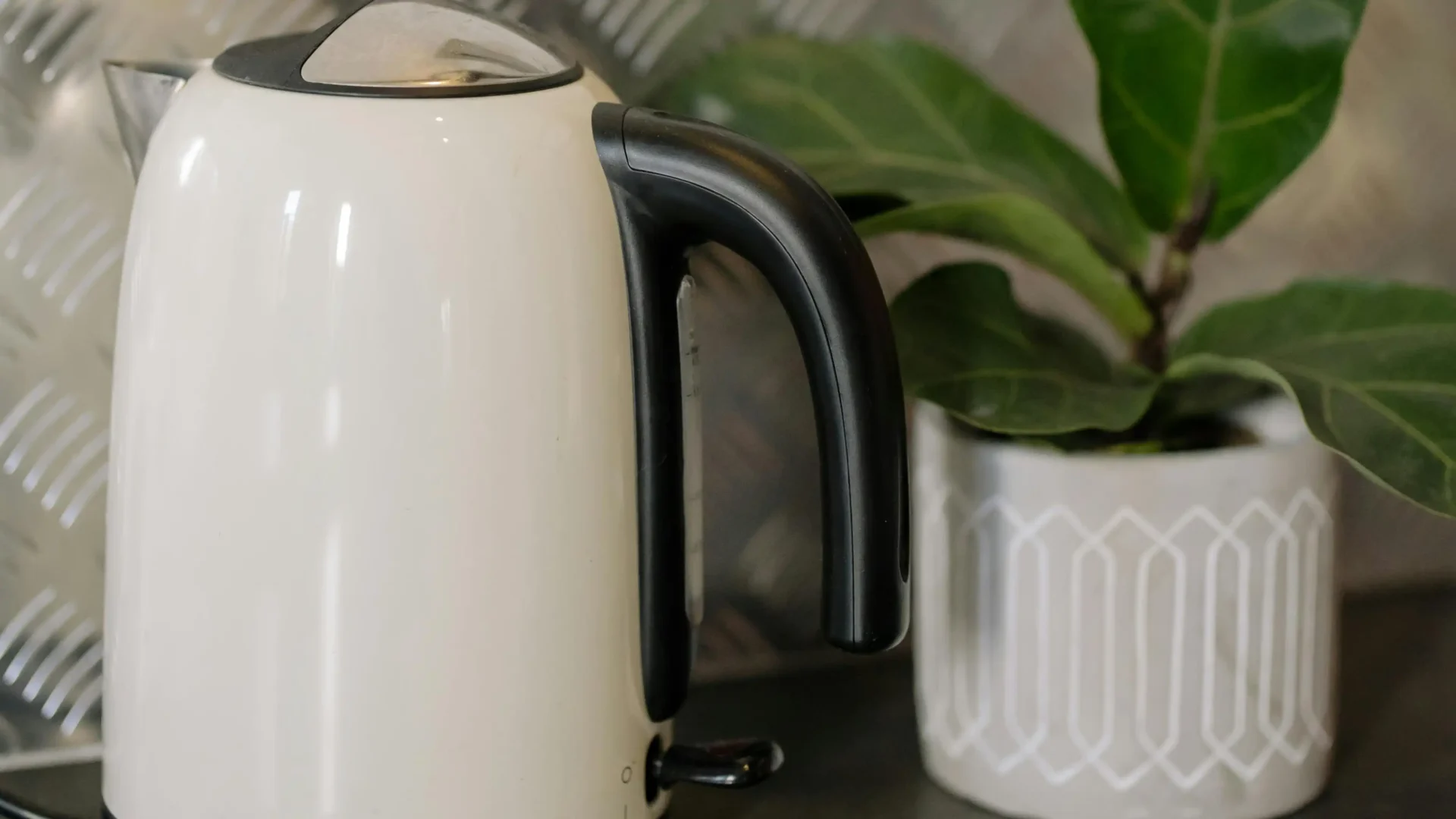
When purchasing appliances for your workplace, it’s important to check the energy efficiency rating. Appliance energy ratings use a scale from A to G, where A is the most energy efficient and G is the least.
If you’re unsure how energy efficient an appliance is, you can calculate how much energy an appliance uses with the following equation: Energy (kWh) = Power (W) × Time (hours) ÷ 1000
This formula works by converting the appliance’s power rating, measured in watts, into kilowatt-hours (kWh), which is the standard unit of electricity used in energy bills. Check the appliance label or manual for its wattage, estimate how many hours it runs, and put the numbers into the equation.
For example, a 100 W light bulb used for 5 hours a day would consume:
100(w)×5(h)/1000 =0.5 kWh per day.
Knowing this helps you compare appliances, understand their impact on your electricity bill, and make more informed choices when selecting appliances. By opting for energy efficient appliances, you can ensure you’re not overusing or wasting energy.

A great workplace energy saving tip that requires minimal upfront costs, is to optimise the lighting throughout your premises. For example, by switching from fluorescent to LED bulbs in your lighting systems, you can use up to 90% less energy on lighting. Another easy (and free!) way to save on your lighting is to make the most of natural light. Encouraging staff to open blinds, rearranging workspaces to avoid blocking windows, and keeping windows clean can all reduce the need for artificial lighting during the day.
You can also improve efficiency further by installing smart controls such as occupancy sensors, daylight sensors, and timed lighting schedules, ensuring lights are only used when needed. Regular maintenance, such as keeping fixtures clean and replacing old or damaged parts, can also help maintain efficiency.
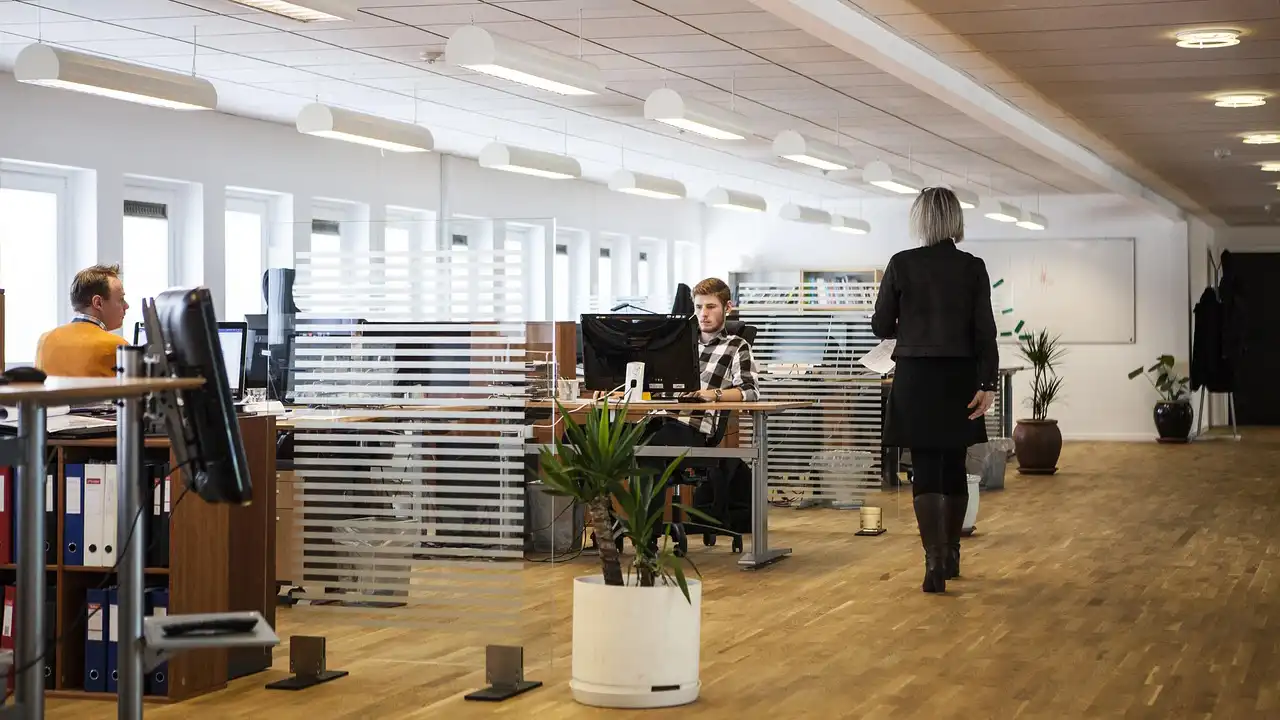
There are a number of small but effective ways you can upgrade your building to be more energy efficient. A good starting point is to give your existing facilities some TLC. From booking in regular appliance servicing, to fixing leaks and draughts, keeping your building in good condition will help you avoid energy waste, as well as keeping it a safe and comfortable working environment.
You could also consider simple, low-cost upgrades such as automated timing systems for heating and cooling, which allow you to keep your space at a comfortable temperature during operating hours and switch off to save energy when not needed.
Another valuable upgrade to help you save energy at work is submetering, which involves installing multiple meters across specific areas of your business to give you detailed, real-time insights into exactly where energy is being used. This helps you identify inefficiencies and adjust usage to make improvements. By pinpointing problem areas, you can make more informed decisions, reduce waste, and maintain better control over your overall energy usage.
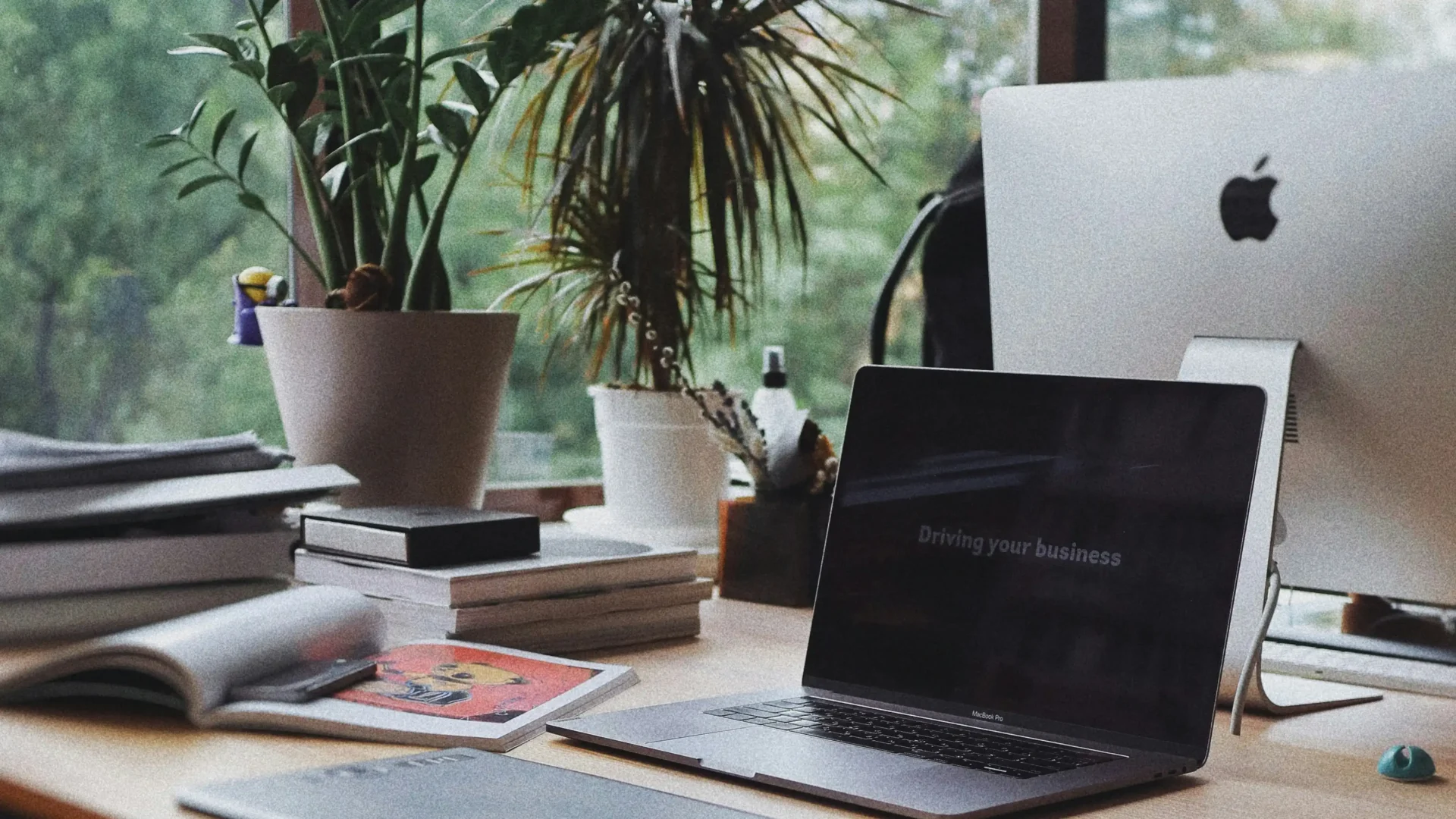
Technology is an essential component of any business, and unsurprisingly, it’s also a significant contributor to energy consumption. If your business primarily uses PCs or multiple monitors, you could consider swapping to laptops where possible, which use significantly less energy than a PC, and typically come with a battery-saving or ‘eco’ mode.
Make your employees aware of the impact tech has on your overall energy consumption, and how they can take steps to use tech more mindfully e.g. using power saving modes and turning equipment off properly (rather than leaving on standby) when not in use.
Some of the most energy-hungry appliances in businesses are cooling systems such as air conditioning units. On average, they use around 4000W per hour, making them one of the least energy efficient appliances.
To help make your heating and cooling systems work more efficiently, you should schedule regular maintenance and servicing appointments and keep filters clean.
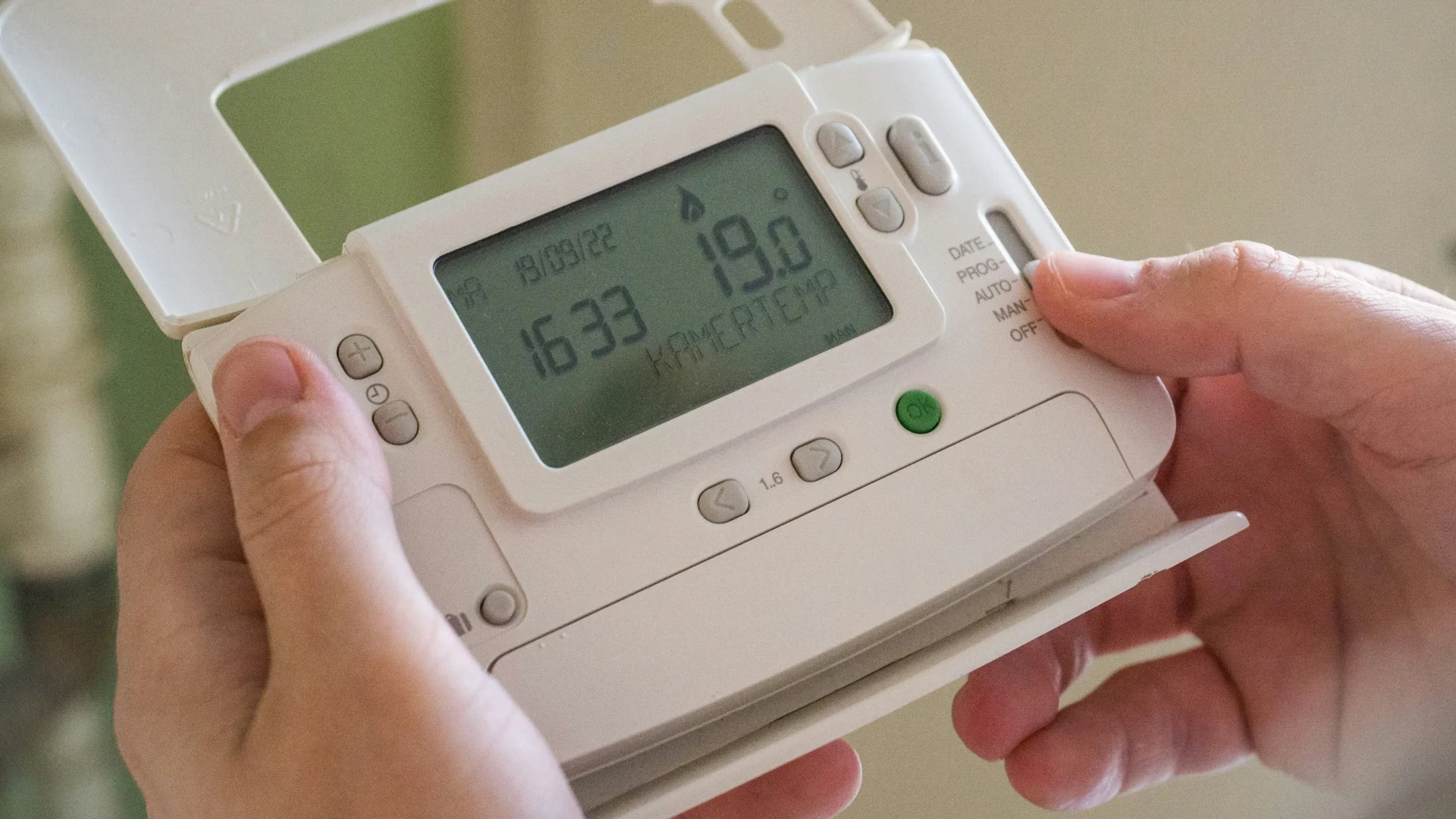
Despite the age-old battle over the thermostat, sources say that the optimal temperature for an office is around 22 to 24°C. You should find and stick to an optimal temperature for your space, to avoid overheating or overcooling, and reduce your office’s energy consumption.
You could also consider retrofitting HVAC optimisation, which can reduce unnecessary heating or cooling by reacting to real-time conditions or even by predicting changes in the weather. Optimising your HVAC system, either through a building management system or specialist controls, can make a big difference to your workplace energy bills.

When it comes to office energy saving tips, water is often overlooked. However, there are lots of simple ways to reduce your water usage that can make a big impact on your overhead costs.
By implementing water saving strategies such as swapping regular taps for low-flow alternatives and installing dual-flush systems for toilets, or even harvesting and recycling rainwater, you can drastically reduce your water consumption.
It’s also important to fix any leaks that you find as soon as possible; a dripping tap or leaky pipe may seem minor, but if left unfixed, it can add hundreds to your annual water bill.

Ensuring your team are educated on the importance of saving energy at work is a key step in reducing your energy consumption. When everyone understands why saving energy matters and how they can make a difference, you’re much more likely to succeed.
You can do this by hosting sustainability workshops or team initiatives and setting achievable targets that the whole team can work towards.
Creating a dedicated sustainability committee can also be hugely beneficial in bringing together people from different teams to work towards a common goal.
You could also consider using a cultural engagement software, such as interactive digital platforms that help employees learn about energy use in an engaging, gamified way. These tools make it easier to embed sustainability into daily behaviour.
It’s also important to recognise and celebrate progress along the way to help motivate your team and make energy savings a part of your everyday culture. Share energy stats weekly or monthly to show your progress or set incentives for reaching certain milestones.

Generating your own renewable energy onsite can significantly reduce your business’s reliance on the grid and lower overall energy costs.
By producing clean, sustainable power on-site, you can offset a large portion of your electricity consumption, protecting your business from fluctuating energy prices and long-term cost increases. There are a number of ways you can do this, with the most popular options for businesses being solar PV and wind turbines, but the best option will depend on your unique site requirements and energy goals.
The payback periods for renewable energy are often lower than you think. Solar PV systems typically have a payback period of around 4–6 years, while wind turbines generally have a payback period of around 8 years, depending on infrastructure size and site conditions.
If you operate from a large site, you may even generate more energy than you need. Any excess energy generated can either be stored with battery storage or sold back to the grid, allowing you to create an additional stream of income.
On top of the savings, investing in renewable energy also boosts your business’s environmental credentials and demonstrates a strong commitment to sustainability.
If you’re thinking about generating your own renewable energy, but you’re not sure where to start, our sister company, Ennovus, can help. Ennovus specialise in planning and installing renewable energy systems that last, from feasibility and design to full implementation.
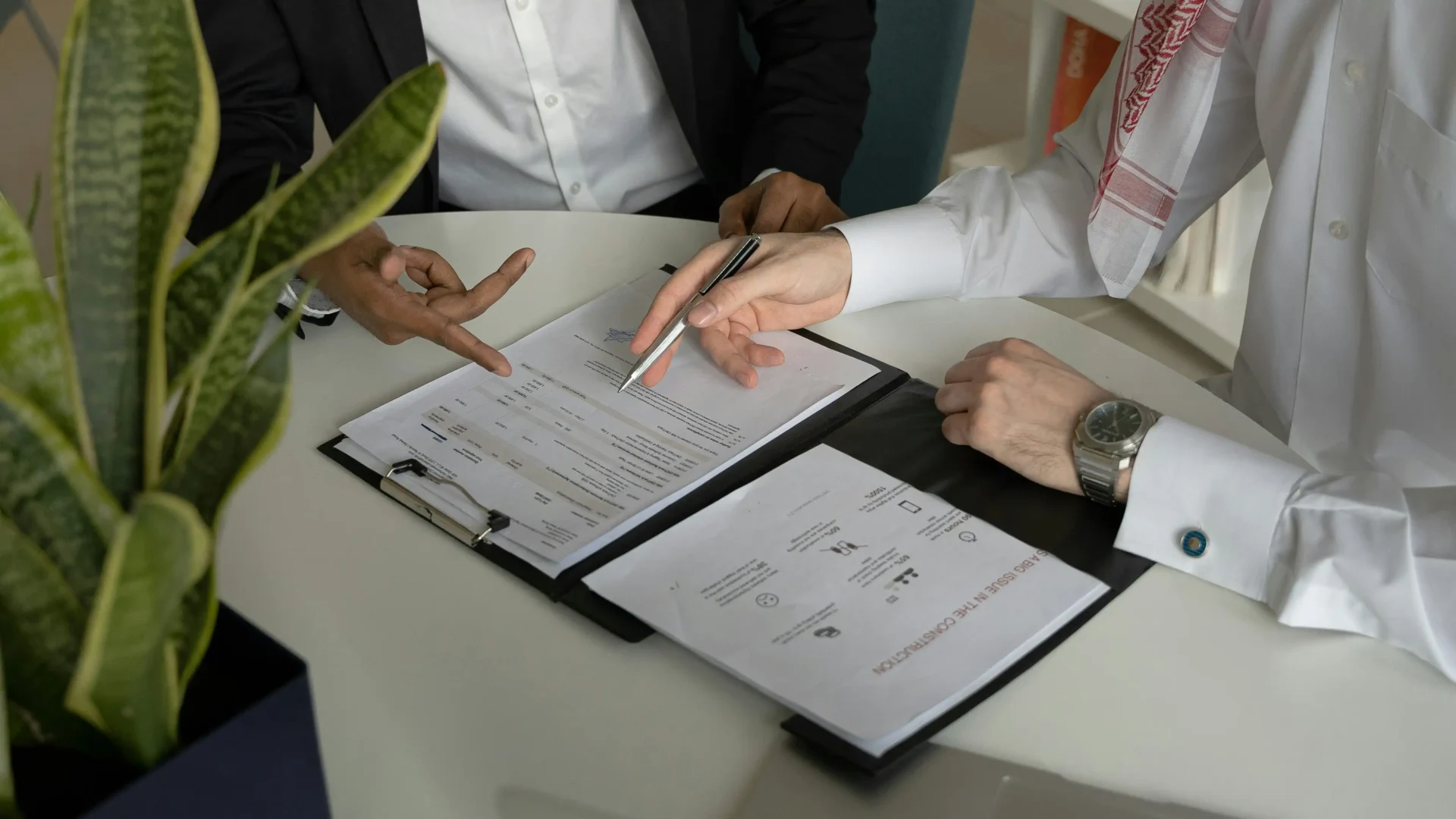
Tackling business energy savings can be tricky, especially for more complex multi-site businesses.
Partnering with a trusted energy consultant can make the process easier. With expert guidance, tailored advice, and ongoing support, an energy and sustainability consultant can help you identify opportunities to reduce energy waste, optimise efficiency, and achieve long-term energy savings across your operations.
A good sustainability consultancy will take a lot of the hard work out of reaching your goals, giving your internal team time back to focus on wider business targets. Whether it’s supporting your internal sustainability team with an existing strategy, or helping you create a new sustainability strategy from scratch, working with a specialist consultancy can save time and keep you compliant.
At Consultus Sustainability, we have a wealth of experience working with businesses to understand their energy and sustainability goals and create a clear, step-by-step plan of action to get them to where they want to be, taking the trial and error out of their energy strategy.
Some of our bespoke solutions for energy management, carbon reduction and Net Zero include: