Welcome to Consultus Sustainability

Welcome to the first blog in our mini-series all about The Cost of Doing Nothing.
The cost of implementing sustainability measures and practices as a business is often hotly debated, both in the press and in boardrooms. Whilst saving the planet feels like all the reason you need to be more sustainable, when businesses across the world are battling rising costs, supply chain pressure, and resource shortages, sometimes, it’s just not enough.
But if you’re worrying about the cost of sustainability to your business, or perhaps you’re wondering whether it’s worth doing anything at all, you might find there is an even greater cost to your business of doing nothing.
In this first blog, we introduce the three main drivers for implementing sustainability measures and how they affect businesses. Over the series, we will then dive into each of these in more detail, exploring some of the issues and opportunities.
Rising energy prices, supply chain challenges, the geopolitical climate – there is a lot going on at the moment that is making it harder for many businesses to give sustainability the focus it needs.
A recent survey of 300 UK supply chain and procurement decision makers revealed that over the past year, 41% of UK businesses “have chosen to cut back or delay green initiatives” as part of efforts to cut costs1. However, 68% also believed that “a narrow, short-term focus on reducing costs could ultimately harm long-term operational resilience.”
Governments around the world are tightening environmental regulations as the 2050 Net Zero emissions target looms ever closer. In the UK, new regulations are expected to be phased in from 2026, which will see more mandatory reporting for large companies, much of the data for which will need to come from their supply chain. For SMEs supplying a large business, that could mean you. Doing nothing could prove very costly.
For most businesses, there’s a hierarchy of drivers that lead to implementing sustainability measures:
1. Legal: compliance is non-negotiable
2. Financial: if sustainability improves profitability or reduces risk, it becomes a priority
3. Moral: important for reputation and stakeholder trust, but rarely the primary driver unless it’s aligned with financial or legal incentives.
Let’s look at those three drivers in a little more detail.
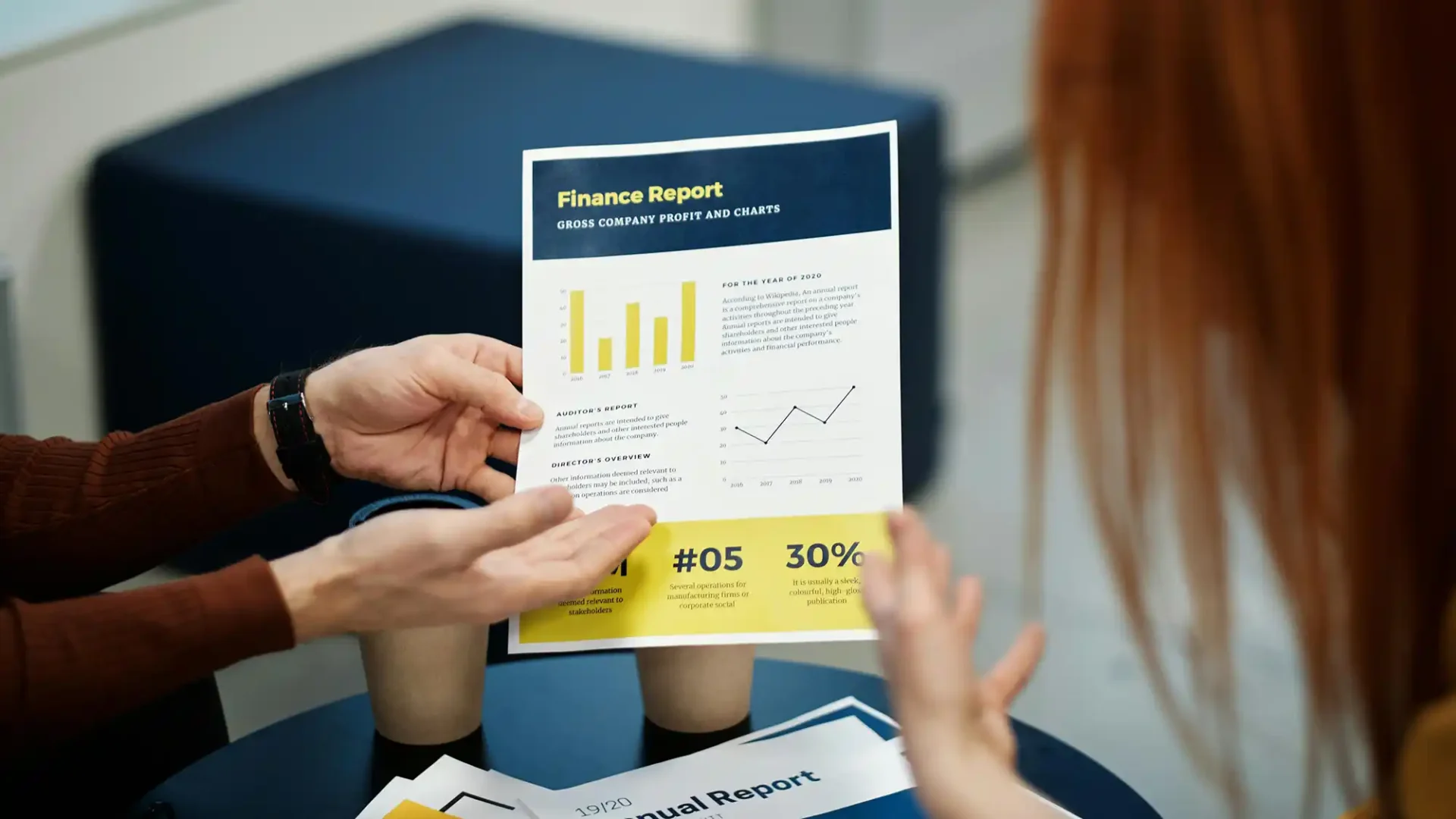
For many leaders, regulatory compliance is the minimum threshold for taking action towards addressing sustainability.
In the UK, a new, modernised framework for corporate sustainability disclosure is being introduced, bringing reporting in line with international standards. It will see the new UK Sustainability Reporting Standards (UK SRS) replace the Streamlined Energy and Carbon Reporting (SECR) and the Task Force on Climate-related Financial Disclosures (TCFD). It is expected that large organisations will have to demonstrate compliance with the new standards from the 2026-2027 financial year.
As part of this change, the reporting of Scope 3 emissions (the greenhouse gas emissions that occur upstream and downstream in a company’s supply chain) will become mandatory. It means SMEs in the supply chain will be required to supply their sustainability data.
Non-compliance can lead to fines, lawsuits and reputational damage.

Many leaders see sustainability as a strategic investment rather than just a cost, and for good reason. For a long time, there was an assumption that profitability and sustainability were incompatible. The reality, however, is very different. In fact, a study by McKinsey “found a significant correlation between a company’s resource efficiency and the strength of its financial performance. It also found that reducing resource costs can improve operating profits by up to 60 percent.”
Cost Savings
Access to Capital
Risk Management

Whether you sell your products or services to other businesses or to consumers, sustainability and ethical responsibility is something customers of all kinds look for in their suppliers. Building stakeholder trust through brand and moral responsibility is key:
Brand Responsibility
Being ethical, transparent and socially aware can help businesses to build customer trust and loyalty. It reflects a brand’s commitment to doing the right thing and not just making money at any cost. It’s also important in engendering an improved workplace culture and attracting new talent: “61% of young workers place as much importance on their employers’ values, such as green credentials, honesty and social responsibility, as what they take home in their pay packet”.
Moral Responsibility
This is where things can get a bit sticky. Moral drivers do often influence a company’s marketing and long-term vision, but they will rarely override legal or financial imperatives.
For more information about The Cost of Doing Nothing, look out for the next instalment in our blog mini-series. Whether you’re weighing up the pros and cons of sustainability measures, building a business case, or trying to get stakeholder buy-in, by looking at each of these key areas, we’ll cover the hot topics affecting businesses everywhere.
If you would like to talk to our team about the Cost of Doing Nothing, or find out how we could support your business, get in touch!