
Time is Running Out – Why Delaying Net Zero Action Could Harm Your Business

For many businesses, net zero targets can feel like yet another item on an already long to-do list, and with competing priorities and rising operational costs, it can be tempting to delay action or push targets further into the future. In fact, one recent survey found that 24% of businesses had extended deadlines, paused, or re-evaluated their net zero targets over the past year.
The Hotelier’s Guide to the EU’s Empowering Consumers for the Green Transition Directive (ECGT)

Introduction For many years, hotels and other hospitality sector businesses have used environmental certifications and sustainability claims as a way to differentiate themselves from the competition. But with key changes to the guidelines surrounding environmental claims and labels being introduced, hotel businesses are having to rethink the way they present their sustainability credentials. In this […]
Sustainability Reporting Compliance: Your Comprehensive Guide

Introduction Is your business feeling overwhelmed by sustainability reporting compliance? You’re not alone. Understanding which requirements apply to your organisation, what information you need to report and when you need to report it can be tricky, especially if you don’t have a dedicated sustainability or compliance team. This FAQ-style guide covers everything you need to […]
Five Common Energy Challenges in Energy-Intensive Businesses and How You Can Overcome Them

Introduction From rising energy costs and fluctuating energy prices to understanding complex sustainability reporting requirements and reducing carbon emissions, businesses today face a wide range of energy-related challenges. For energy-intensive businesses in particular, there is increasing pressure to improve energy efficiency, reduce environmental impact and comply with changing regulations and reporting requirements to stay compliant […]
Key Changes to ESOS Phase 4 in 2026

The Energy Savings Opportunity Scheme (ESOS) regulations are changing once again, with updates confirmed for ESOS Phase 4 ahead of the 2026 qualification date and 2027 compliance deadline. For large UK organisations, these changes mark an important shift in how ESOS reporting is approached, with a stronger focus on accountability, measurable progress, and energy savings.
In this article, we explore what ESOS reporting involves, who it applies to, the key changes organisations need to be aware of for Phase 4 and take a look ahead to Phase 5 predictions.
How to Create an Energy Management Plan for Your Business

Introduction With energy costs continuing to rise, this presents a growing concern for businesses with already stretched budgets. At the same time, energy use is a significant contributor to emissions, making effective energy management an important part of any wider sustainability strategy. A well-designed energy management plan can help your business identify where energy is being […]
The Fines Associated with Non-Compliance in Sustainability Reporting
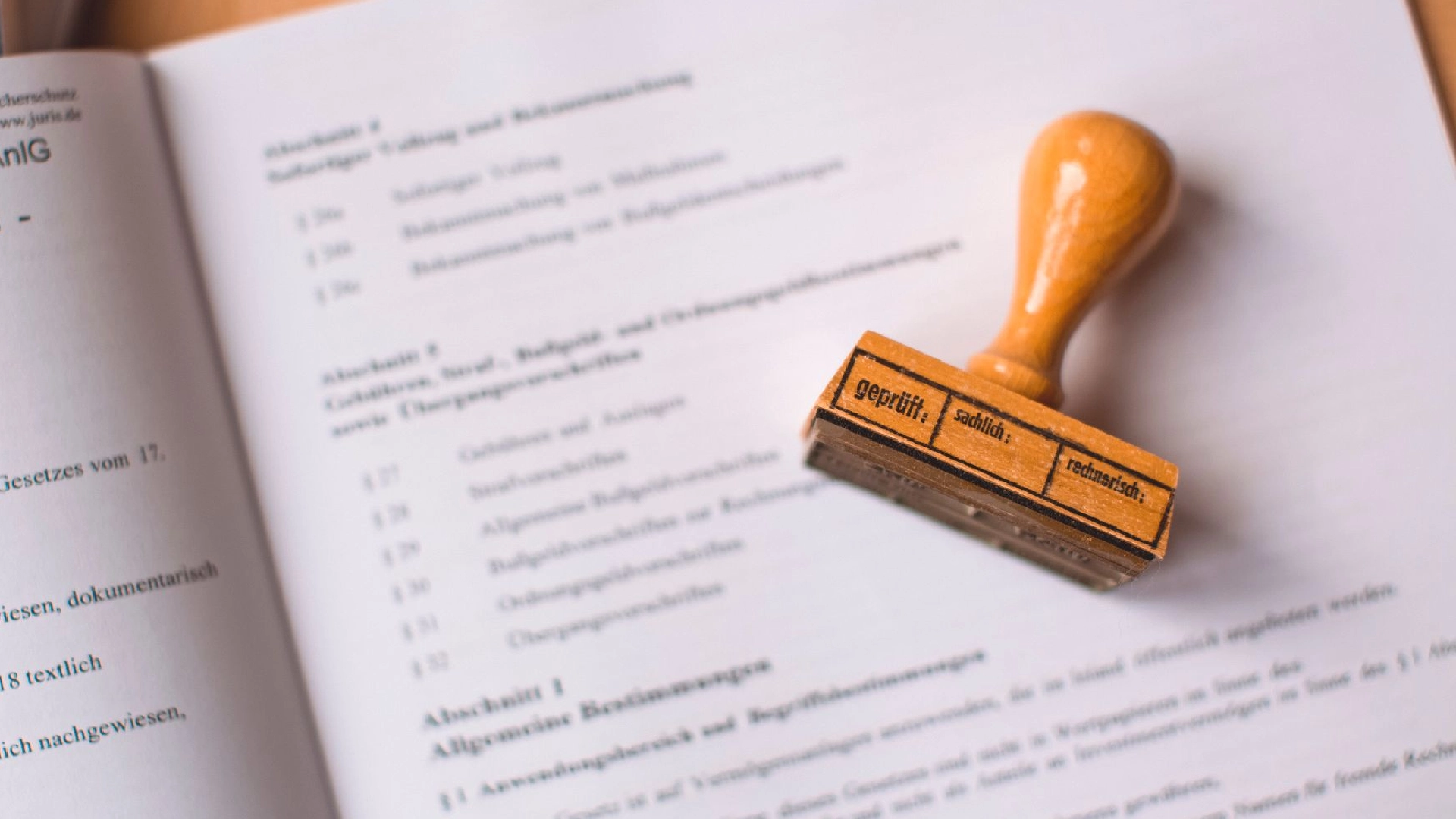
Across the UK and internationally, businesses are facing increasing regulatory requirements to disclose their environmental, social and governance (ESG) impacts, climate-related risks, and sustainability performance. As regulations continue to change, transparency and accurate reporting are now essential components of corporate compliance. Failing to meet sustainability reporting obligations can have serious consequences, and organisations may face fines and other penalties for non-compliance. In this guide, we explore the potential fines and penalties associated with sustainability reporting non-compliance and outline practical steps your business can take to ensure accurate, timely, and compliant reporting.
5 Surprising Ways Sustainability Lowers Costs for Businesses

There is a common misconception amongst many business owners and senior leaders that being sustainable comes with a hefty price tag. Whilst many sustainability initiatives do require some upfront investment, sustainability can actually be a powerful way to reduce costs, improve efficiency and set your business up for future success.
In this guide, we’ll explore five surprising ways sustainability can help lower costs for businesses, and how they can improve efficiency across your operations.
The Effect Climate Change is Having on the UK Right Now

For many people when they think of climate change, they think of polar bears perched atop melting icebergs or lone orangutangs clinging to a tree in a desolate forest. But in reality, the effects of climate change are much closer to home.
In this guide, we explore the effects of climate change in the UK, the impacts we’ve already seen and those we can expect to see if we continue on the same trajectory, as well as the actions businesses can take today to protect themselves and the planet tomorrow.
Does Sustainability Really Affect Brand Perception?

Perceptions of sustainability are shifting, and it is becoming a defining factor in how people choose the brands they support. As these expectations change, businesses across every industry are rethinking the way they approach sustainability.
But what do consumers actually think about sustainability? And how do these views affect the way they perceive brands?
In this blog, we explore how attitudes towards sustainability are changing, what today’s consumers expect from brands, and how these shifting perceptions can impact trust, loyalty and buying behaviour. We’ll also look at what your business can do to cater to a growing audience of environmentally conscious customers, clients and stakeholders.
What Sustainability Reporting Requirements Do Manufacturers Need to Know About?

As net zero targets draw closer, sustainability, energy and carbon reporting are becoming increasingly important priorities for businesses across all sectors. For manufacturers, this means improving transparency and embedding sustainability into day-to-day operations.
In this guide, we’ll explain the key sustainability reporting requirements your manufacturing business needs to understand, outline some practical steps for staying compliant, and explore how effective sustainability reporting can benefit your business.
8 Ways You Can Save Money on Manufacturing Business Energy Bills

In an energy-intensive industry like manufacturing, energy bills represent one of the largest overhead costs for many businesses and with ongoing market volatility and geopolitical pressures, prices have become volatile and difficult to predict.
For manufacturers with tight budgets, rising energy costs present a pressing challenge, and managing and optimising energy use has never been more important in keeping energy costs down.
In this guide, we explore the key factors behind rising energy prices and share practical tips to help manufacturing businesses save money on their energy bills whilst taking back control of their costs.